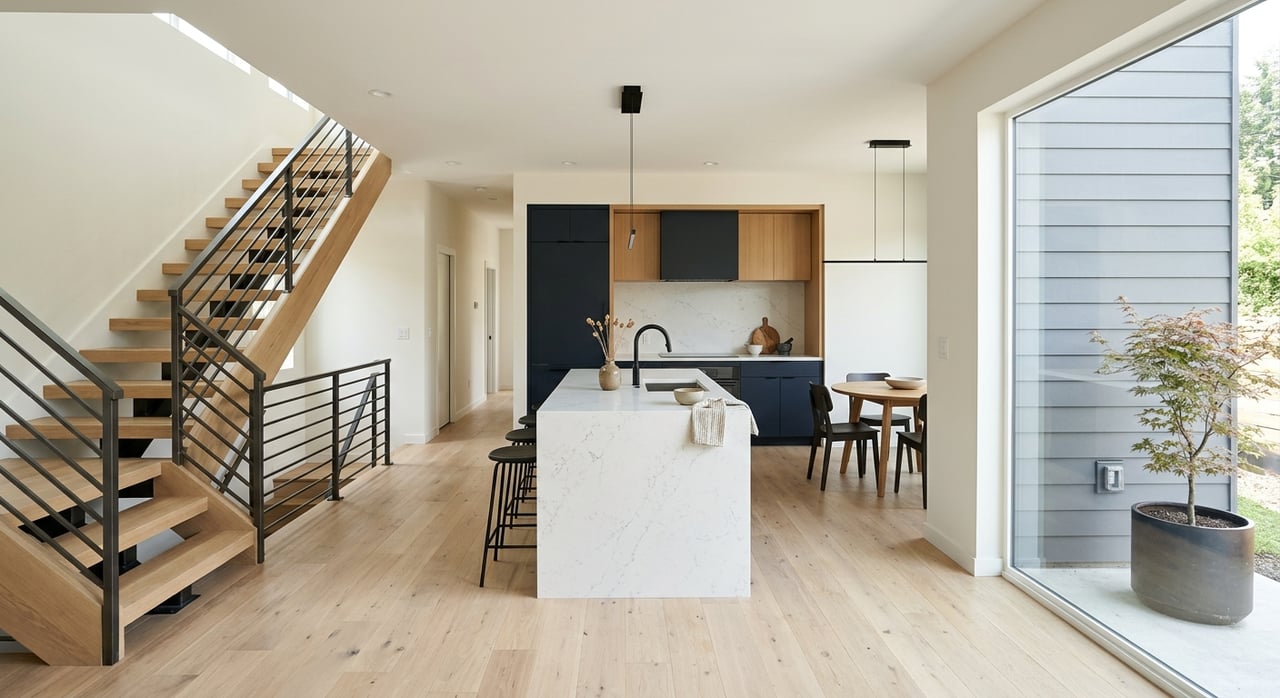
How to Sell a Home in Daybreak With Story-Driven Marketing
July 9, 2026
July 9, 2026
If you are selling a home in Daybreak, blending in is the fastest way to get overlooked. In a community known for thoughtful design, trails, front porches, and amenity-driven living, buyers often see polished homes that can feel similar at first glance. That is exactly why story-driven marketing matters. When your listing is positioned around the details that make your home distinct, you give buyers a clearer reason to remember it, connect with it, and act. Let’s dive in.
Daybreak is a master-planned community in South Jordan with a strong design identity. Community materials highlight architectural variety, walkability, sustainability, and healthy living, while the HOA helps maintain common areas and architectural standards. That means buyers are not just comparing square footage or bedroom counts. They are also responding to how a home fits into the larger Daybreak experience.
In a setting like this, generic listing copy usually falls flat. If every home is described as "beautiful," "well-kept," or "close to everything," buyers have no reason to remember one property over another. A story-driven approach gives your home shape and context, helping buyers picture how it lives day to day.
The strongest Daybreak listings do not try to sell every neighborhood feature to every buyer. Instead, they focus on what is true for your property. Your home story should connect three things: micro-location, design details, and everyday function.
That could mean the calm feel of a porch-facing street, the convenience of a trail connection nearby, or the ease of getting to TRAX or Downtown Daybreak. It could also mean the way your kitchen opens into the main living area, the privacy of a finished basement, or the simplicity of low-maintenance landscaping. The goal is not to oversell. It is to be specific.
In Daybreak, location matters at a smaller scale than many sellers expect. Buyers may care less about a broad claim like “in Daybreak” and more about whether the home is near trails, near parks, near Downtown Daybreak, or positioned for easier transit access. Current Daybreak materials also note two TRAX light rail stations and the ongoing buildout of Downtown Daybreak as a sports and entertainment district.
That makes precision important. If your property is truly a short walk to a specific amenity area or has a meaningful connection to trails or transit, that should be part of the narrative. If it does not, your marketing should highlight a different strength instead of forcing a lifestyle angle that does not fit.
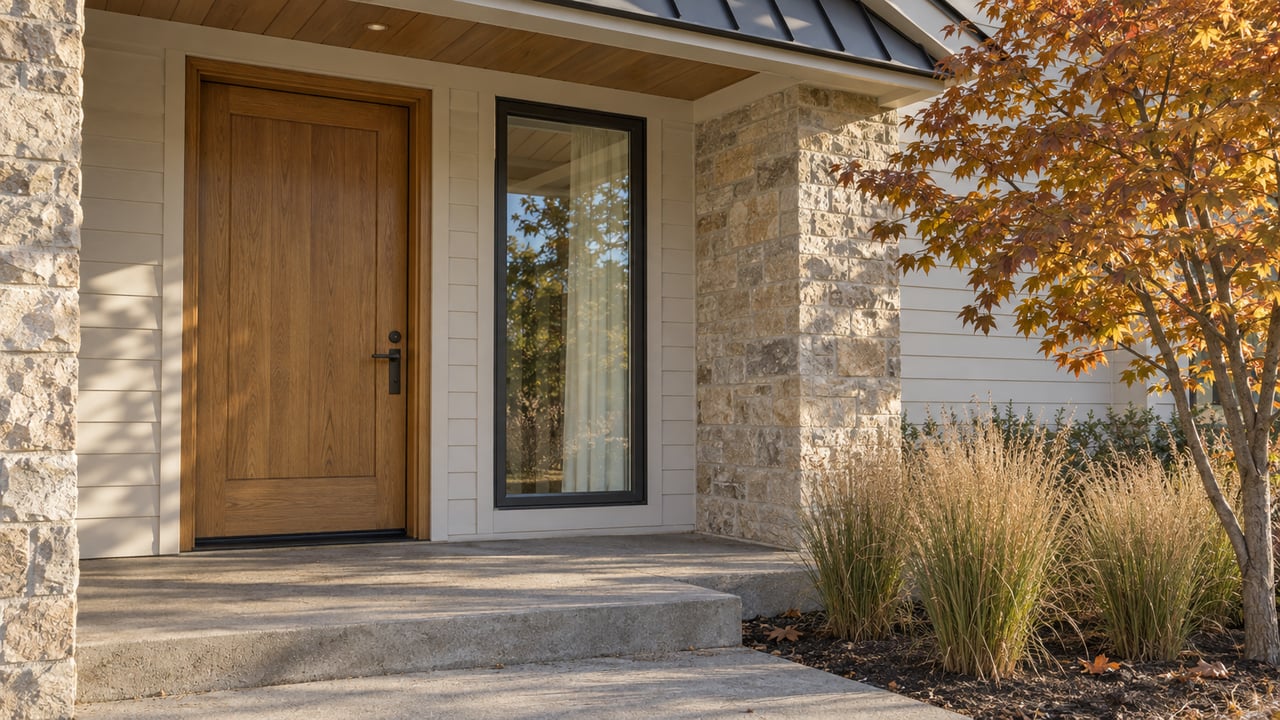
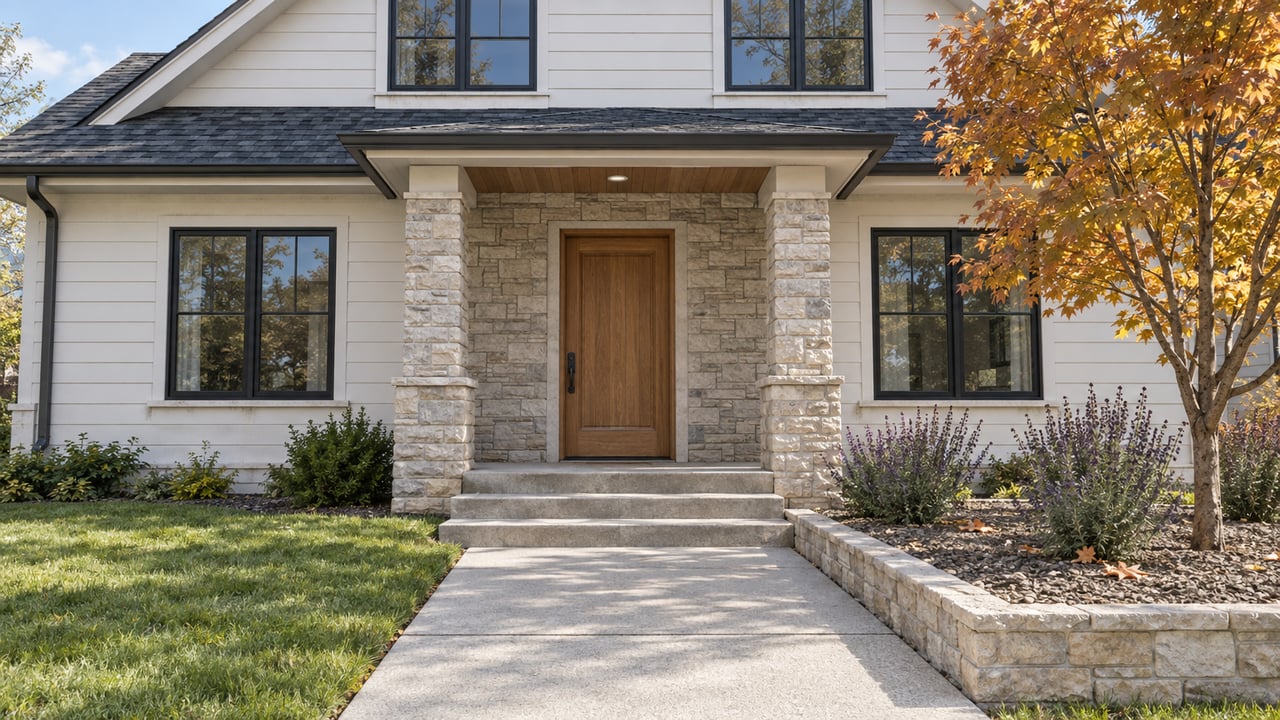
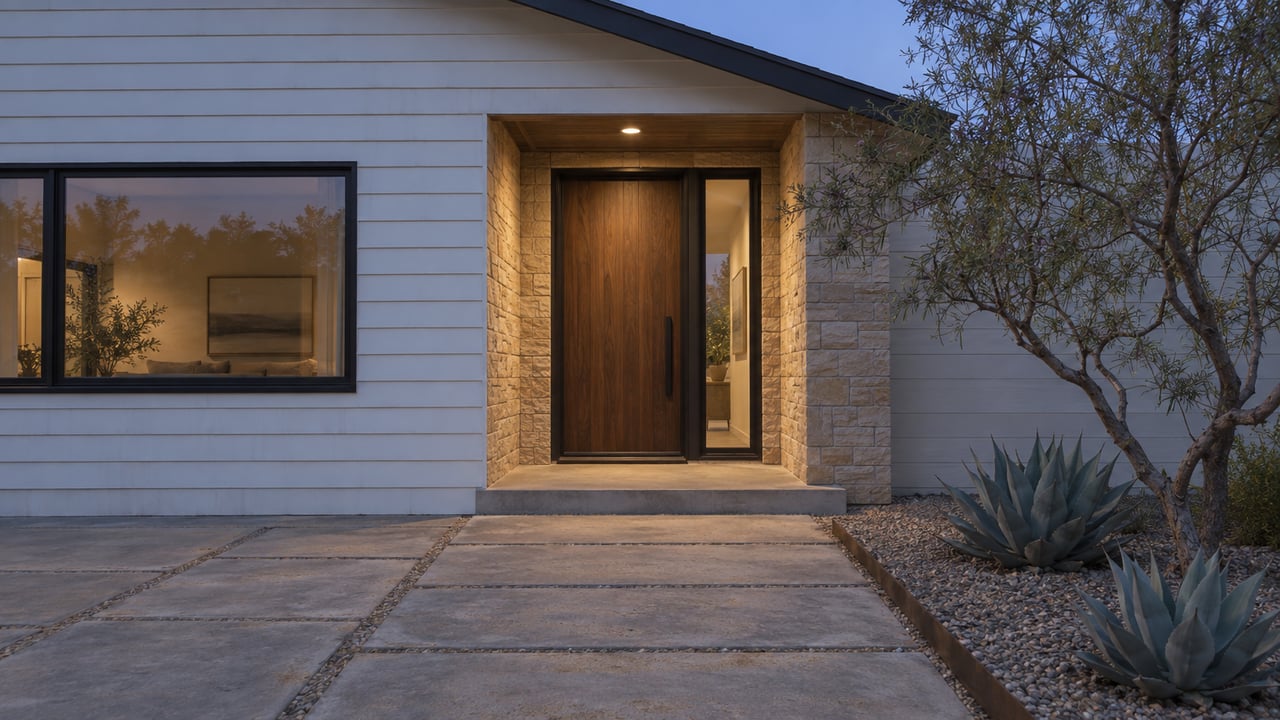
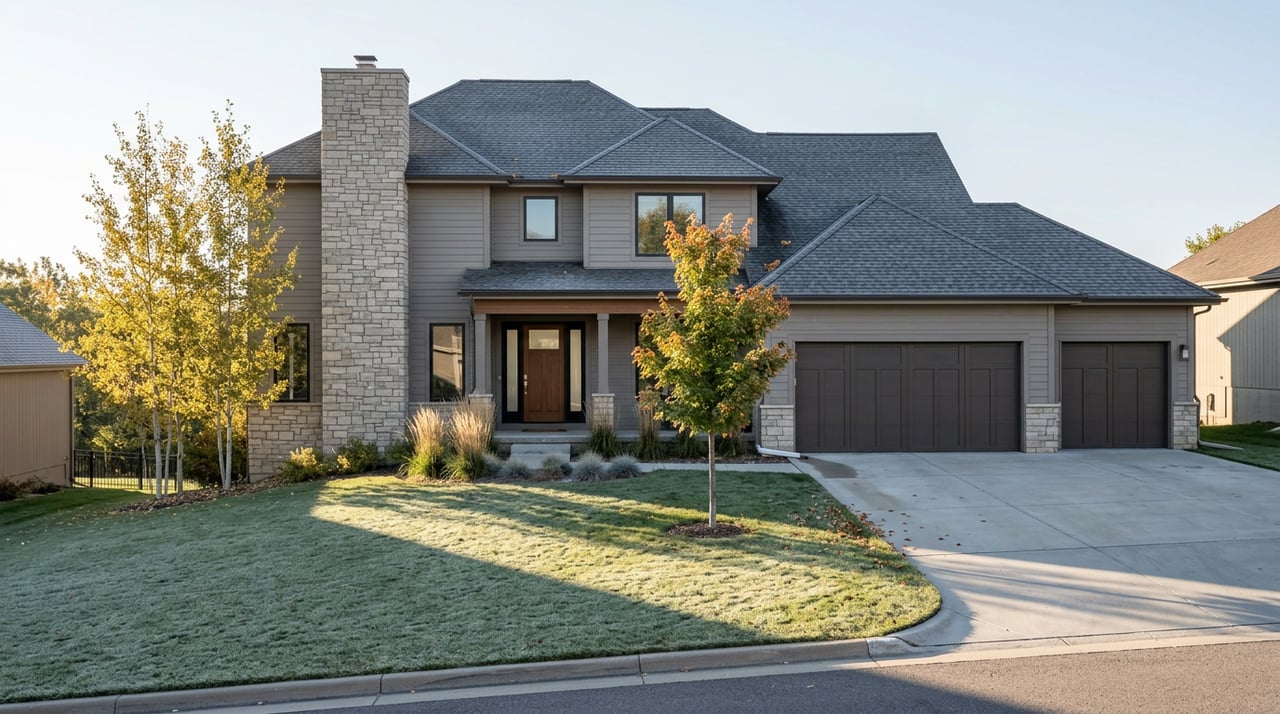
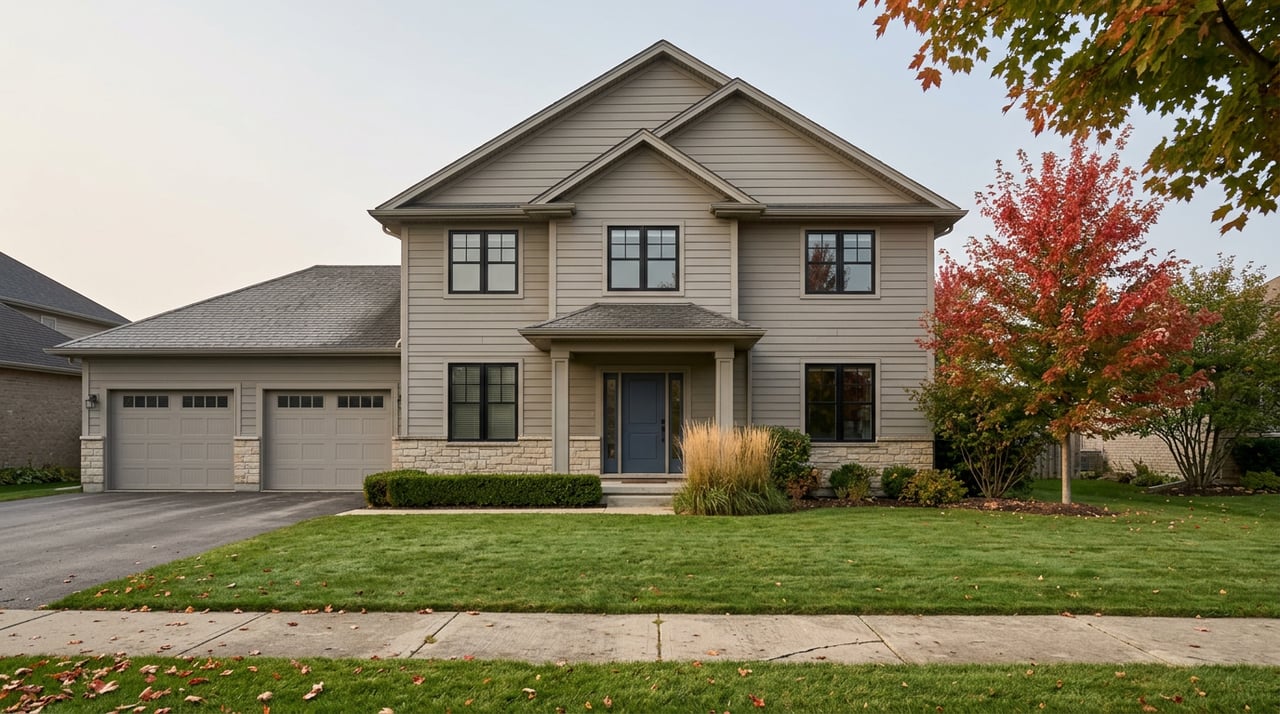
Daybreak places real emphasis on design variety and porch-centered streetscapes. Because of that, buyers tend to notice details that shape the feel of the home before they ever think about finishes alone. The way a home presents from the curb, how the entry unfolds, and whether the indoor and outdoor spaces feel connected can all become part of the listing story.
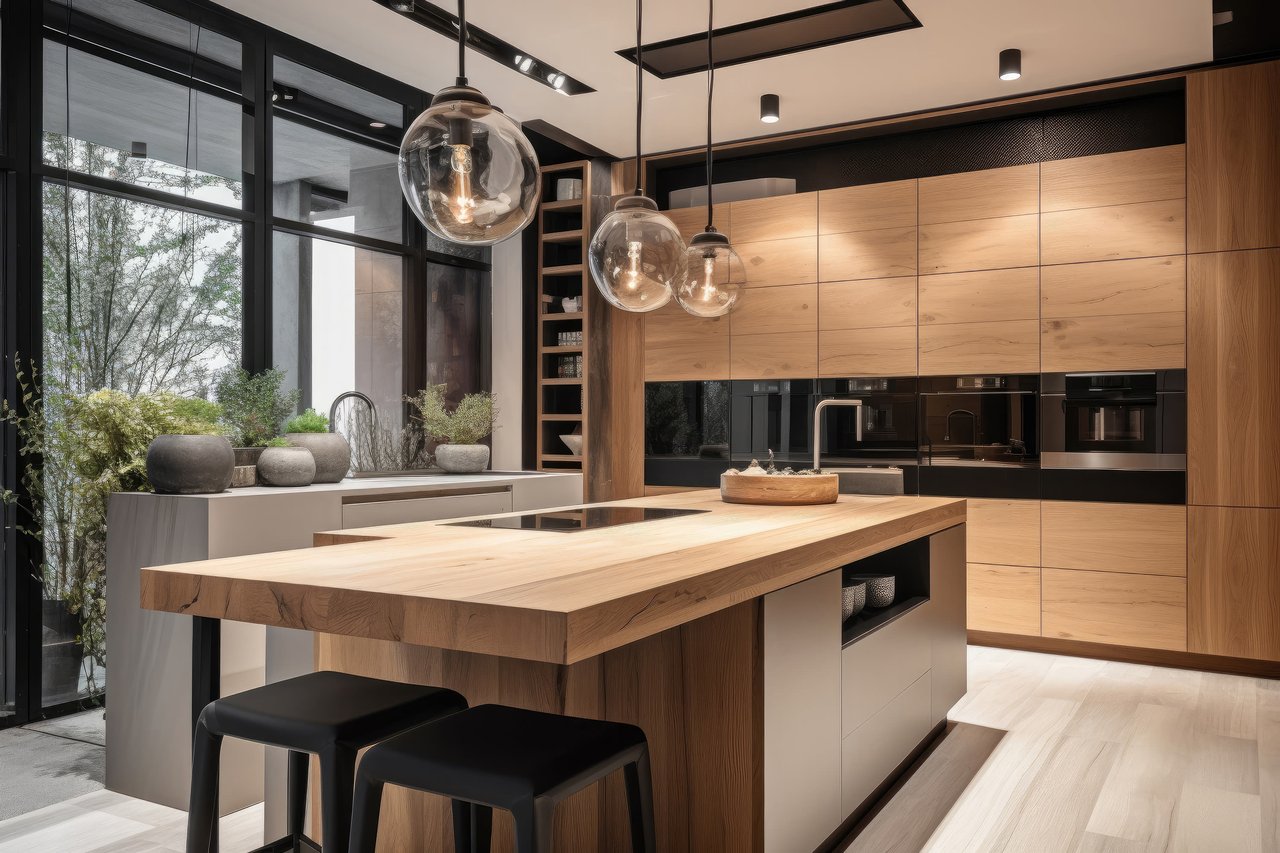
This is where thoughtful marketing can make a real difference. A corner-lot presence, mountain views, a welcoming front porch, a bright open kitchen, or a polished backyard can each become a lead idea. The best story is rarely the longest one. It is the clearest one.
A premium Daybreak listing usually performs best when the story is built around a few strong, supportable details. That keeps the message focused and credible.
Each of these works because it is tangible. Buyers can see it, understand it, and imagine how it supports their daily routine.
Good marketing is not just about what you say. It is also about what you do not say.
Daybreak has a private 67-acre lake amenity owned and maintained by the Daybreak Community Association, and community FAQs state that it is not open to the public. Trails and parks around the lake may be public, but listings should not imply private lake access unless the property truly includes it. The same rule applies to broader amenity language. Be careful not to suggest that every amenity is open in the same way or available without restrictions.
It is also important not to promise future appreciation or make speculative value claims. Daybreak community disclosures note that the project is still being developed in phases and do not guarantee future property values. Strong marketing should feel aspirational, but it also needs to stay grounded in facts.
Once your listing story is clear, staging helps buyers feel it. According to the 2025 NAR staging report, 83% of buyers’ agents said staging made it easier for a buyer to envision the property as a future home. The same report found that 49% of sellers’ agents said staging reduced time on market, and 29% reported a 1% to 10% increase in the dollar value offered.
In Daybreak, staging should support the parts of the home that carry the strongest narrative. That often includes the living room, primary bedroom, kitchen, and dining area. It can also include the front porch, the entry sequence, and outdoor spaces that connect naturally to the neighborhood setting.
Because Daybreak homes often have a clean, cohesive streetscape, clutter tends to stand out quickly. Thoughtful staging helps your home feel polished without feeling overly formal.
Photos alone are rarely enough for a standout listing in a design-conscious community. The same 2025 NAR report says buyers’ agents rated photos, physical staging, videos, and virtual tours as highly important. That supports a full media package, especially when your goal is to create an emotional connection before a buyer ever schedules a showing.
For Daybreak, media should do more than document rooms. It should show how the home unfolds, how light moves through the space, and how the best features connect. That can mean capturing the front elevation with intention, showing the relationship between kitchen and living spaces, and using exterior images that accurately reflect the home’s setting.
If your listing includes amenity or community lifestyle imagery, access rules matter. Daybreak’s resident guide says amenity cards and guest passes may be required for amenities such as pools, the DCC, and the lake. Before building marketing around those spaces, your team should verify current access, permissions, and photography plans.
Story-driven marketing is most effective when it is paired with clean preparation behind the scenes. In Utah, the standard real estate purchase contract requires a written seller property condition disclosure, along with other documents that may include lead-based paint disclosure for homes built before 1978, CC&Rs and rules, HOA minutes, budget and financials, lease or rental documents, water-rights information where applicable, and written notice of known environmental or zoning or code issues.
Utah guidance also places responsibility on the seller to gather the HOA documents needed before closing. In a community like Daybreak, where HOA governance, sub-associations, architectural standards, and phased development can all affect buyer questions, early organization matters. It helps your sale feel smoother and more credible.
Utah’s Department of Environmental Quality also says sellers must disclose hazardous conditions such as radon based on current actual knowledge and update important changes before closing. For homes with basements or lower levels, pre-listing radon testing or at least early planning around disclosure can be a smart step.
Premium marketing gets attention, but details on the ground still shape the showing experience. South Jordan materials state that off-site open house directional signs do not require permits or approval stickers, but they are limited to five signs, three consecutive days, four square feet, and three feet in height. Signs also cannot obstruct traffic, pedestrians, or park strips.
Daybreak’s resident guide notes that streets are public roadways and that the city handles snow removal, while homeowners are responsible for clearing driveways, entry walks, and adjacent sidewalks. In practice, that means sign placement, parking flow, and winter curb appeal should all be part of your listing plan. Buyers notice the little things because the little things affect how easy it is to visit and imagine living there.
Not every listing needs louder marketing. It needs smarter marketing. In Daybreak, that means identifying the true strengths of the property, preparing the home with care, and presenting it with design-minded media that feels polished and specific.
A story-driven strategy is especially effective when your team understands both presentation and process. That includes staging guidance, strong visual marketing, and the transaction support needed to keep details from slipping late in the sale. If you want your home positioned as more than just another listing in a beautiful master-planned community, that blend matters.
If you are thinking about selling in Daybreak, Tyson Leavitt Real Estate can help you shape the right story, prepare your home thoughtfully, and bring it to market with a refined plan built around what makes it stand out.
Stay up to date on the latest real estate trends.




Whether you’re just beginning your search or preparing for your next move, the Tyson Leavitt Group is here to guide you with expertise, integrity, and exceptional service. With deep-rooted knowledge of the Salt Lake Valley and surrounding areas, we’re ready to help you navigate every step of the journey with confidence and clarity. Explore the site, then reach out—we’d love to hear from you.
Tyson Leavitt Group | Cannon & Company
Tyson Leavitt
9089 S 1300 W, #130 West Jordan, UT 84088