Retiring to St. George Utah: Housing and Lifestyle Guide
April 23, 2026
April 23, 2026
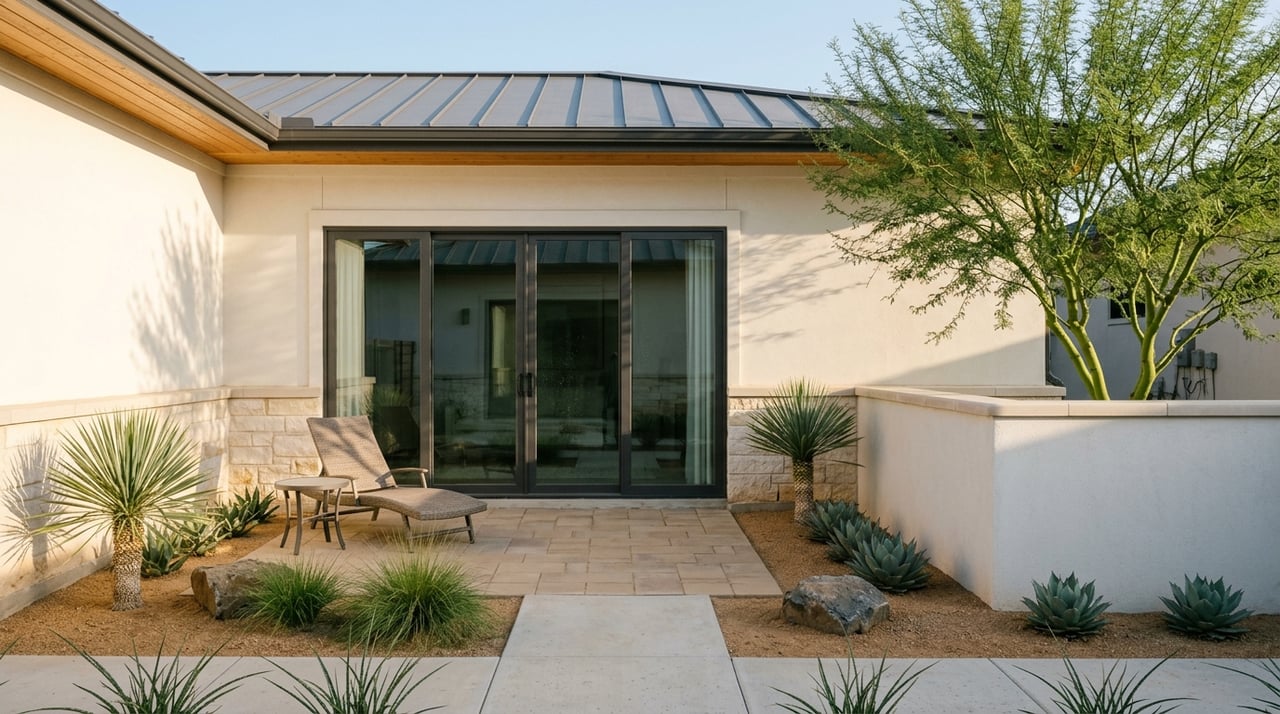
If you are thinking about retiring to St. George, you are probably asking a bigger question than where to live. You are really deciding how you want your next chapter to feel day to day, from housing costs and upkeep to healthcare access and outdoor routines. The good news is that St. George offers a mix of lifestyle appeal and housing options, but the right fit depends on careful planning. Let’s dive in.
St. George has become a meaningful retirement destination, and the numbers help explain why. According to U.S. Census QuickFacts, the city’s estimated population reached 106,288 in July 2024, up from 95,342 in 2020, and 21.8% of residents were age 65 or older in the 2020 to 2024 American Community Survey.
Beyond growth, the lifestyle is a major part of the draw. The city highlights mild, low-humidity winters and about 300 sunny days each year, which supports an active, outdoor-oriented pace of life. If you want more golf, walking, hiking, or simply more time outside, St. George often checks that box.
For many retirees, the appeal of St. George is not just the home. It is what you can do once you step outside your front door. The city’s parks and trails planning materials point to easy access to Snow Canyon State Park, Sand Hollow State Park, Quail Creek State Park, and Zion National Park.
Snow Canyon alone includes more than 38 miles of hiking trails, along with a paved walking and biking trail and equestrian trails, according to the City of St. George parks and trails plan. That means your housing decision is also a lifestyle decision, especially if you want daily access to recreation rather than occasional weekend trips.
St. George gives you several ways to approach retirement housing. Some buyers want an active-adult setting with built-in amenities, while others want a low-maintenance home without age restrictions. Your budget, desired level of upkeep, and preferred pace of life will shape the best option.
One of the most established names is SunRiver St. George, a 55+ single-family community. Its official site says residents have access to more than 70 clubs, 50-plus amenities, and a championship golf course. The community also shows a current home example at $450,000 for a 2-bedroom, 2-bath, 1,286-square-foot home, which offers a helpful starting point for buyers exploring an active-adult budget.
Another option is Regency at Desert Color, a newer 55+ community within Desert Color. Official materials describe four collections, 14 home designs, and planned amenities that include indoor and outdoor pools, a fitness center, and pickleball courts. The same source notes floor plans ranging from about 1,425 to 3,294 square feet, with pricing reported in the $450,000 to $900,000 range and project completion expected in 2026.
If you want less yard work but do not want age-restricted housing, Desert Color also offers townhome and condo options. Official community information lists condos from 1,127 to 1,310 square feet and townhomes from 1,290 to 4,105 square feet, along with access to trails, parks, and broader community amenities.
This can be a smart middle ground if you want a lock-and-leave lifestyle, smaller exterior maintenance demands, or more flexibility for visiting family and travel. It also gives you another way to compare monthly costs beyond the typical single-family retirement home.
Market conditions in St. George are calmer than the fast-moving conditions many buyers remember from 2021 and 2022. That matters if you are trying to time a sale in northern Utah while planning a purchase in southern Utah.
According to a HUD St. George housing market profile, the metro market was described as balanced, with an average new and existing home sales price of $556,200 and about 9.0 months of for-sale inventory in July 2025. That suggests buyers may have more options and a little more negotiating room than they did in earlier years.
The same report aligns fairly closely with city-level snapshots showing St. George as a buyer’s market, with a median listing price near $557,000, a 94% sale-to-list ratio, and a median of 48 days on market. In plain terms, homes are still valuable, but pricing and presentation still matter if you are selling and still matter if you are trying to buy strategically.
If you are moving from the Wasatch Front, it is important not to assume St. George will always be cheaper. In fact, a Salt Lake City market snapshot shows a median listing home price of $555,000, which is very close to St. George.
That means this move is often more about rightsizing than simply downsizing or lowering your cost of living. Your budget outcome depends more on the type of home you choose, the size you want, and whether there is an HOA than on the city name alone.
Lifestyle is important, but healthcare access is often one of the biggest practical factors in retirement planning. In this area, St. George offers more infrastructure than many people expect.
Intermountain St. George Regional Hospital is a 284-bed hospital and serves as the major medical referral center for northwestern Arizona, southeastern Nevada, and southern Utah. Intermountain also describes it as a Level II trauma center and notes that it is Joint Commission accredited.
The hospital’s continued expansion is worth noting as well. Intermountain announced a new surgical tower project, expanded hyperbaric services, and reported Magnet designation for nursing excellence in 2025. For you, that means St. George is not just a scenic destination. It also functions as a regional healthcare hub, which can be a major advantage as you plan for long-term livability.
A retirement move works best when the numbers support the lifestyle. Based on Freddie Mac’s 6.46% 30-year fixed mortgage rate from April 2, 2026, a 20% down payment, and St. George’s city property tax rate table of 0.6584% with Washington County’s 45% residential exemption for primary residences, the rough monthly housing cost before insurance and HOA dues looks like this:
These examples are helpful because they show how different retirement lifestyles can pencil out. A smaller SunRiver-style home, a condo, or a newer luxury active-adult property can each lead to very different monthly costs, even within the same city.
If you are not ready to buy right away, renting can be a useful bridge strategy. Realtor.com reports a median rental price of $1,800 in St. George, while HUD reports an average apartment rent of $1,815 and an average rent of $1,889 for a professionally managed two-bedroom single-family rental in the area.
That flexibility can help if you need time to sell your current home, compare neighborhoods, or wait on a new-build timeline. For some retirees, a short-term rental is the easiest way to test the rhythm of daily life before making a larger commitment.
Taxes are another piece of the retirement puzzle. Utah currently has a flat 4.55% individual income tax rate, and the Utah State Tax Commission also maintains retiree-focused credits, including a Retirement Credit and a Social Security Benefits Credit for qualifying filers.
The key detail is that these credits are income-sensitive and separate from each other. In other words, it is smart to build your plan around verified numbers rather than assuming every retiree receives the same tax outcome.
If you are selling a Wasatch Front home to retire in St. George, your home equity strategy matters just as much as your purchase strategy. A strong plan starts with understanding how much cash you will actually have after paying off your mortgage, covering closing costs, and accounting for any taxable gain.
The IRS notes that, in general, taxpayers may exclude up to $250,000 of gain from the sale of a main home, or up to $500,000 on a joint return, if they meet the ownership and use tests. You can review those details through the IRS guidance on the sale of a residence.
This is why a pre-move net sheet can be so valuable. It helps you compare how much equity you want to keep in your next home versus how much you want to free up for travel, monthly expenses, healthcare planning, or other retirement goals.
If you are serious about retiring to St. George, it helps to think in three parts. First, choose the home style that fits your maintenance preferences and budget. Second, make sure the healthcare access and everyday lifestyle align with how you want to live. Third, map out how the sale of your current home supports the move.
In today’s market, St. George offers a compelling mix of sunshine, recreation, healthcare infrastructure, and housing variety. The best outcome usually comes from matching the right property type to the right financial plan, not from chasing a one-size-fits-all retirement idea.
If you are weighing a move from the Salt Lake area and want thoughtful guidance on how to align your sale, equity, and next purchase, connect with Tyson Leavitt Real Estate for a personalized conversation.
Stay up to date on the latest real estate trends.
Whether you’re just beginning your search or preparing for your next move, the Tyson Leavitt Group is here to guide you with expertise, integrity, and exceptional service. With deep-rooted knowledge of the Salt Lake Valley and surrounding areas, we’re ready to help you navigate every step of the journey with confidence and clarity. Explore the site, then reach out—we’d love to hear from you.
Tyson Leavitt Group | Cannon & Company

Tyson Leavitt
9089 S 1300 W, #130 West Jordan, UT 84088