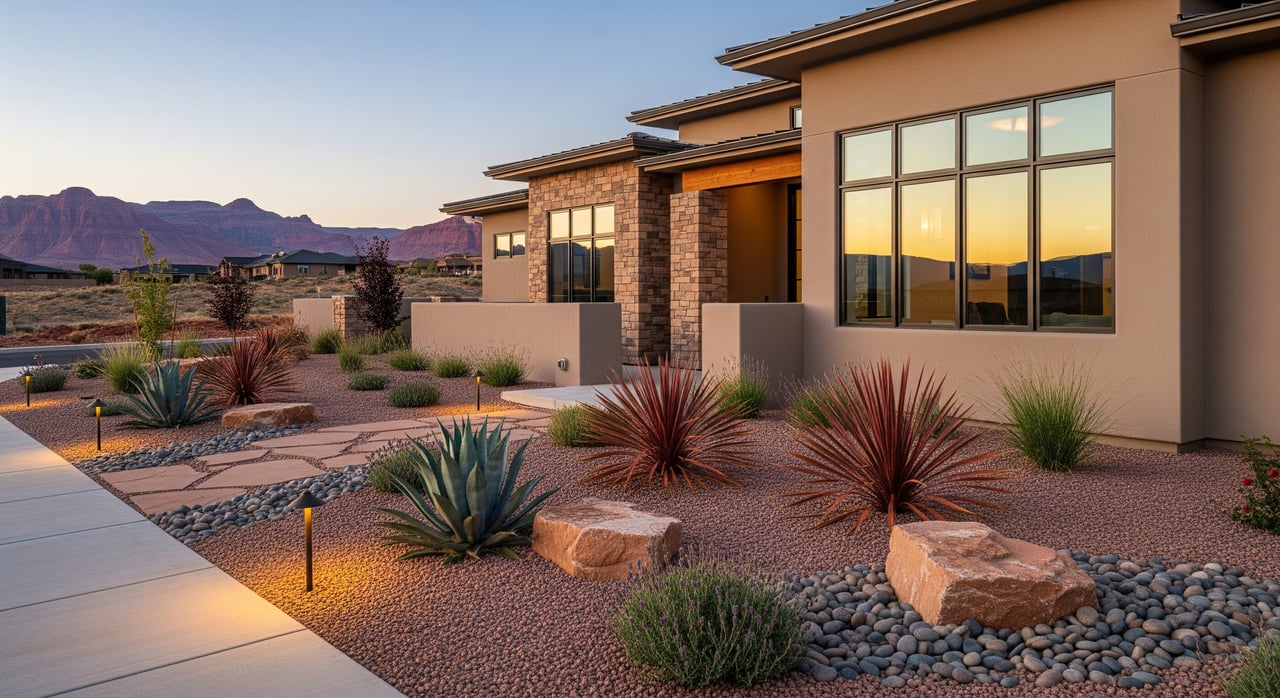
Xeriscape Curb Appeal Tips for St. George Sellers
October 16, 2025
October 16, 2025
Thinking about listing your St. George home and wondering how to make the front yard stand out without wasting water? In our sunny, desert climate, a thirsty lawn can drain your budget and turn into weekend work. A well‑designed xeriscape does the opposite by boosting curb appeal, lowering water use, and signaling smart, low‑maintenance living to buyers. Below, you’ll find local rebates, design tips, plant ideas, costs, and a quick pre‑list checklist tailored to St. George. Let’s dive in.
St. George’s hot, arid climate brings long summers, mild winters, and roughly 8–9 inches of rain per year, which makes desert‑adapted plants a smart fit for both beauty and maintenance. You also get abundant sunshine, so plant selections with seasonal color and structural foliage show well most of the year. These conditions make traditional turf costly to keep green, especially before a sale. For quick climate context, review the local profile for St. George and southern Utah’s desert conditions on this overview.
Washington County Water Conservancy District (WCWCD) offers a Water Efficient Landscape rebate that typically pays $2 per square foot up to 5,000 sq ft and $1 per square foot after that, with a 300 sq ft minimum. You must apply and receive approval before removing turf, then complete the work and record a conservation easement on the converted area to receive funds. Program terms and funding can change, so confirm current requirements and timelines on the official WCWCD Water Efficient Landscape Program page.
WCWCD also offers rebates for drip conversions, high‑efficiency nozzles, and WaterSense‑eligible smart controllers. These help you dial in watering by hydrozone and avoid overspray on sidewalks, which buyers notice during showings. Check the Water Smart Irrigation rebate program and recent state updates that increased smart controller incentives from Utah’s Division of Water Resources.
Do not start work before pre‑conversion approval from WCWCD. Typical projects allow up to 12 months to finish after approval, followed by the recorded easement and final verification. For details on average costs, timelines, and verification steps, review WCWCD’s program FAQs.
Aim for a design with living plants covering much of the converted area at maturity. WCWCD’s standards often require around 50 percent living plant cover in rebate areas, which also reads as more welcoming in listing photos. Group plants by water needs and exposure so they thrive together.
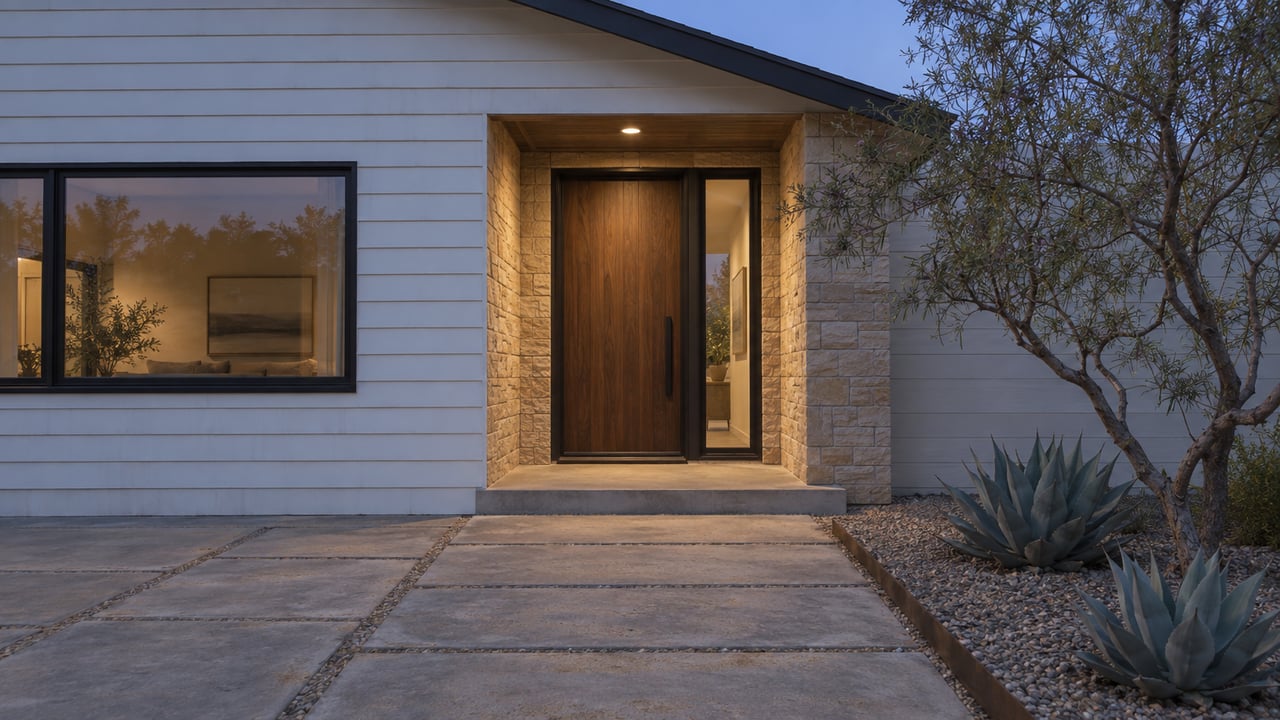
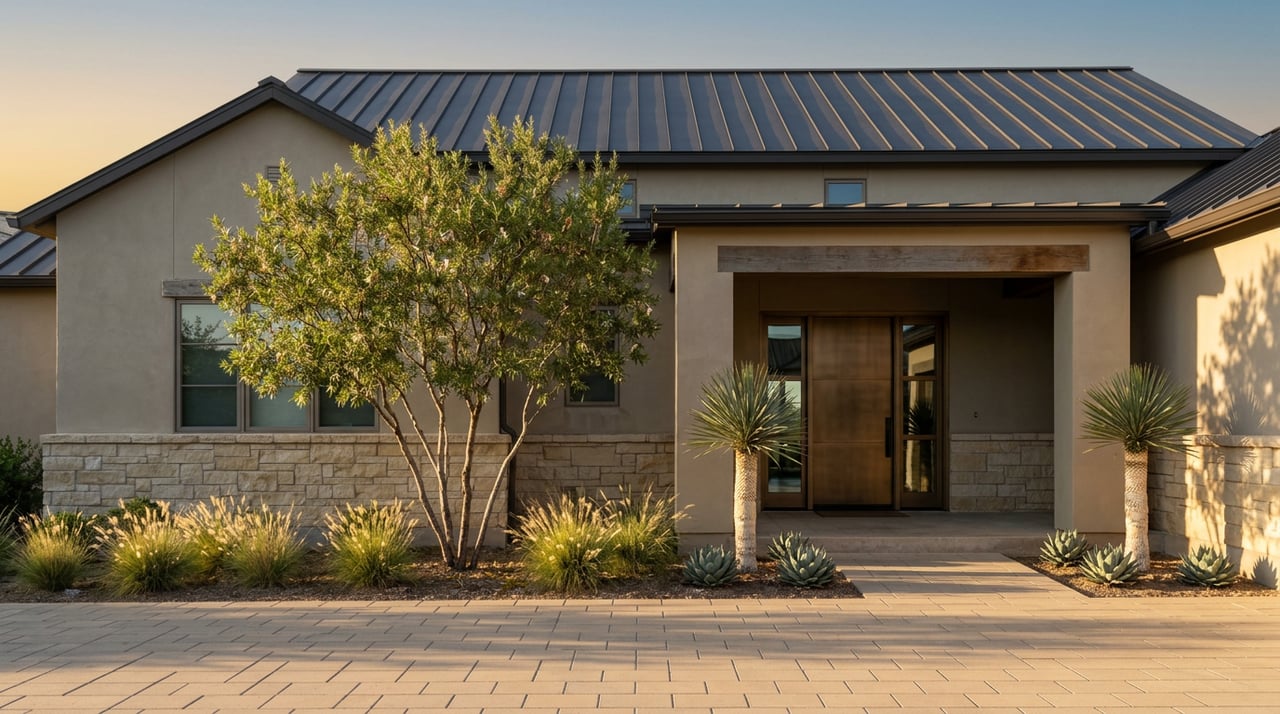
Pick one or two focal elements near the front door, like a specimen agave or desert willow, a sculptural boulder, or a large container. Add a simple path and clean edging to make the design feel intentional. A clear focal point draws the eye during showings and photos.
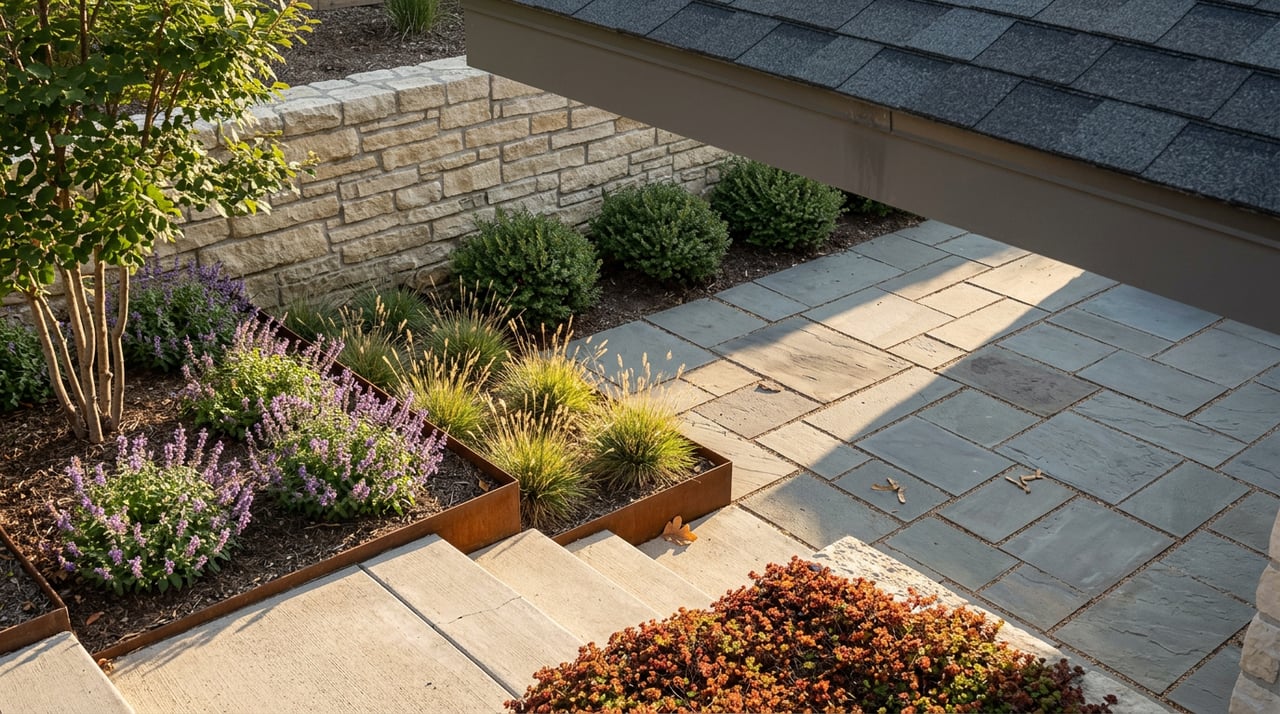
Use rock or organic mulch to frame defined planting beds, not to cover the entire yard. Clusters of plants with varied heights and textures create depth, while paths guide movement and reduce foot traffic through beds. Keep color palettes neutral with a few accents to support the home’s exterior.
Include plants with staggered bloom times and evergreen structure so the yard looks good in any month. Accent lighting along paths and at focal plants helps your home pop in twilight showings. For principles that keep xeriscapes healthy and attractive, follow Utah State University’s guidance on hydrozones, mulching, and efficient irrigation in this overview.
Visit Red Hills Desert Garden to see water‑wise plantings that thrive in this microclimate and spark your design ideas. It’s a useful visual reference if you’re working with a landscaper or planning a DIY refresh. Get inspired by the display plantings and layout at Red Hills Desert Garden.
For a broader, Utah‑specific list, browse the regionally appropriate recommendations in this waterwise plant library. Always match plants to your yard’s sun, soil, and wind exposure.
Convert spray zones in beds to drip and separate any remaining turf onto its own zone. Install a WaterSense‑eligible smart controller and set seasonal schedules by hydrozone to avoid overwatering. Confirm current rebate options for drip and smart controllers through WCWCD’s irrigation rebate program.
WCWCD estimates average conversion costs around 5 to 6 dollars per square foot for professional installations. With the turf rebate, many projects see roughly 30 to 50 percent of costs offset, depending on scope and eligible square footage. Check WCWCD’s program FAQs for current cost ranges and rebate examples.
Plan for pre‑approval, design, installation, and plant establishment time before you list. In many cases you have up to 12 months to complete a rebate project, but listing timelines may be shorter, so schedule early. If you’re close to market, consider a phased approach that prioritizes front‑entry impact, irrigation fixes, and high‑visibility beds first.
Quality landscaping consistently supports perceived value and faster sales, especially when it looks intentional and low maintenance. Industry research highlights outdoor upgrades with strong ROI, and buyers in St. George often welcome water‑efficient landscapes that keep visual interest without heavy upkeep. See a summary of high‑impact outdoor projects in this landscaping value overview.
If you accept the WCWCD rebate, you will record a conservation easement on the converted area, which carries to future owners. Plan to disclose this and keep copies of your approval, plans, and irrigation details for buyers. Many HOAs allow water‑wise landscaping but maintain standards for living cover, materials, and colors. For perspective on how HOA guidelines can look, review this example of design standards and approval steps from a community association’s home improvements page.
Ready to prep your St. George listing with a curb‑appeal upgrade that photographs beautifully and conserves water? Let’s craft a design‑forward plan that fits your timeline and budget. Reach out to Tyson Leavitt Real Estate for tailored listing prep, staging guidance, and premium marketing that helps your home stand out.
Stay up to date on the latest real estate trends.
Whether you’re just beginning your search or preparing for your next move, the Tyson Leavitt Group is here to guide you with expertise, integrity, and exceptional service. With deep-rooted knowledge of the Salt Lake Valley and surrounding areas, we’re ready to help you navigate every step of the journey with confidence and clarity. Explore the site, then reach out—we’d love to hear from you.
Tyson Leavitt Group | Cannon & Company
Tyson Leavitt
9089 S 1300 W, #130 West Jordan, UT 84088