Daybreak New Construction vs Resale: How to Choose
May 28, 2026
May 28, 2026
Trying to decide between a brand-new home in Daybreak’s newer villages and a resale in one of its more established areas? You are not alone. For many buyers in South Jordan, this choice comes down to more than age. It is really about timing, setting, monthly costs, and how you want your day-to-day life to feel. This guide will help you compare Daybreak new construction vs established villages so you can make a smart, confident move. Let’s dive in.
Daybreak describes its community as a choice between the newer Upper Villages and the more established Lower Villages. The Upper Villages focus on newer home designs, the Watercourse, and expanding trail and park connections. The Lower Villages are where Daybreak first started and are centered around Oquirrh Lake.
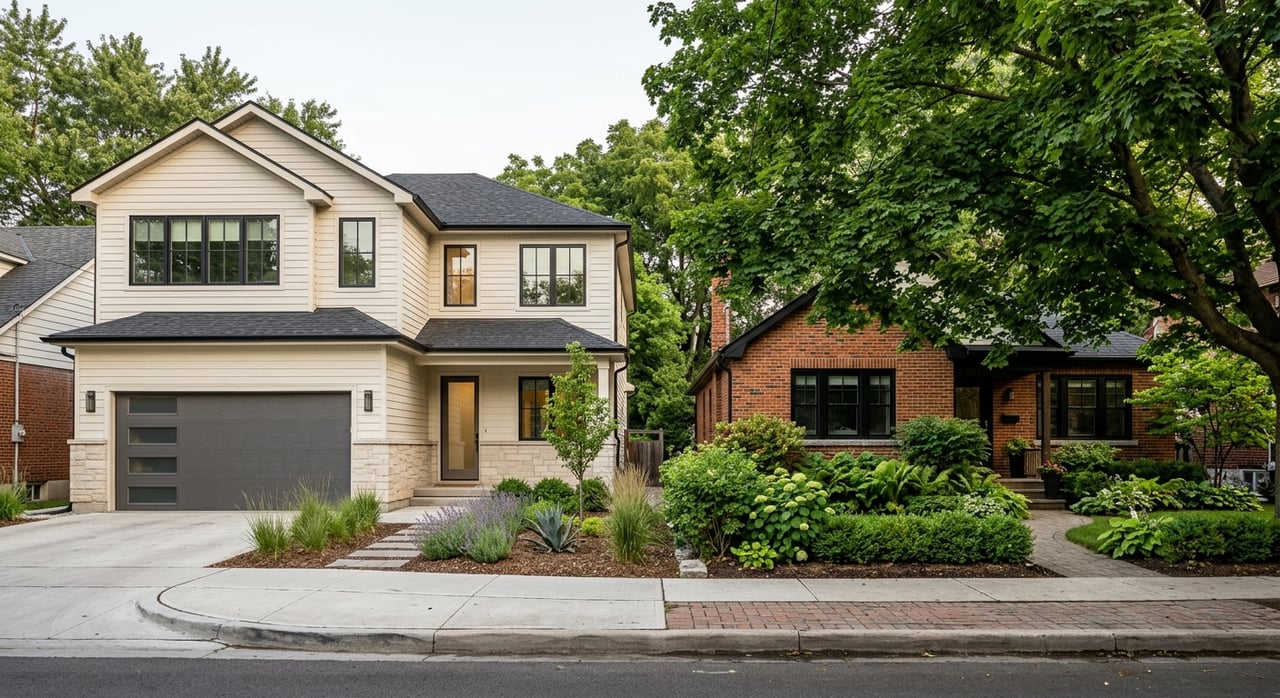
That matters because you are not simply comparing new homes to older homes. You are also comparing a more in-progress setting to a more planted and settled one. In practical terms, your decision may come down to whether you value brand-new construction more than a mature streetscape and established amenities.
Daybreak’s current housing mix is also broad. Inventory includes active-adult homes, single-family homes, townhomes, condos, and paired homes across villages like Cascade Village, Lake Village, South Station, SpringHouse, The Island, and Watermark. That variety means two homes in Daybreak can feel very different even if they sit close to each other.
One of the biggest myths about Daybreak is that newer always means much more expensive. In reality, pricing varies widely based on village, home type, location within the community, and finishes. Age is only one piece of the picture.
Current new-construction inventory on Daybreak’s official site ranges from about $403,900 to $1,000,000 and above. The site’s broader filters span roughly $300,000 to $2.5 million, and model home pricing starts in the high $300,000s and goes to $2 million and up. In newer Watermark Village, homes are positioned from the $500,000s to $2 million and above, with some premium pricing tied to water proximity and product type.
The broader Daybreak market had a median sale price of $562,000 in March 2026, according to Redfin. Current resale examples show a wide range, including an Eastlake Village townhome listed at $475,000 and a Garden Park Village single-family home listed at $875,000. That spread shows why you should compare homes by village, style, upgrades, and site instead of assuming new is always the pricier choice.
Lot size is another area where buyers often make assumptions too quickly. It is easy to think new construction means smaller lots and resale means larger ones, but Daybreak does not fit neatly into that rule.
A current new-construction listing in Lake Village shows a 6,534 square foot lot. A resale example in Garden Park Village sits on an 8,712 square foot lot, while an Eastlake townhome sits on a 2,178 square foot lot. The better takeaway is simple: compare each homesite on its own merits.
If outdoor space matters to you, focus on the exact lot dimensions, shape, and setting. If low exterior upkeep matters more, a townhome or paired home might still be a better fit, whether it is new or resale. In Daybreak, product type often matters as much as village age.
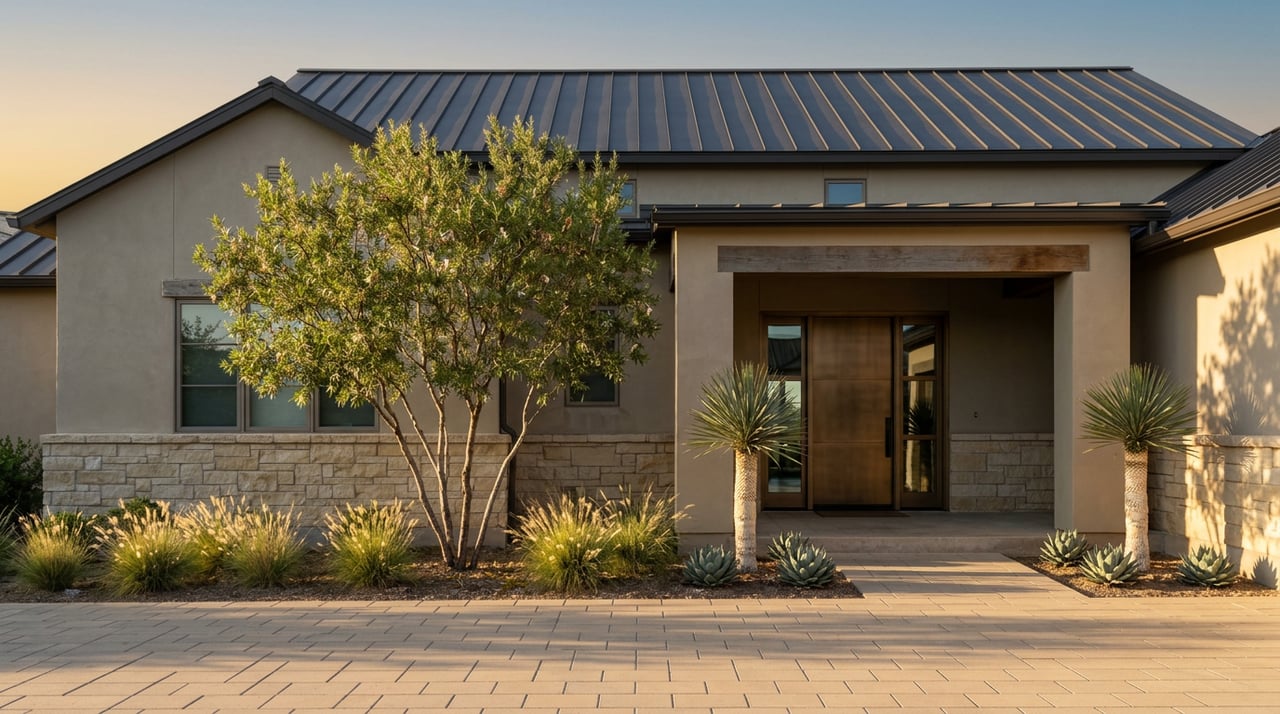
If you care about the feel of the neighborhood the moment you arrive, this may be the clearest difference between new construction and established villages. The more established parts of Daybreak are generally more planted in and visually settled. The newer villages may still be in a grow-in period.
Daybreak says the Watercourse is a multi-phase amenity, with some portions open while others are still under construction. The community also reviews builder and homeowner landscape plans for water-wise compliance and has committed to planting 100,000 trees. That long-term planning is important, but it also means some newer areas are still evolving.
Established villages often give you a more finished first impression right now. You can usually see mature landscaping, more defined streetscapes, and a stronger sense of what the area feels like day to day. For some buyers, that certainty matters just as much as a new floor plan.
For buyers who want a fresh start, new construction can be very appealing. Daybreak highlights builder warranties, newer floor plans, current energy codes, and lower early repair exposure as key reasons buyers choose new homes. If you like the idea of fewer immediate maintenance concerns, that is a meaningful advantage.
Daybreak’s quick move-in homes can often close in about 30, 60, or 90 or more days depending on the construction stage. That can be a useful middle ground if you want a newer home without waiting through a full build process. You may also have the chance to buy a home that is already underway.
Resale homes in Daybreak typically close in about 30 to 45 days, subject to contingencies. With resale, you can inspect the exact home, look at the actual landscaping, study the sunlight, and get a clearer feel for traffic patterns and nearby activity before you commit. If you want fewer unknowns, that can be a major plus.
Monthly ownership costs in Daybreak deserve close attention. The community’s current residential disclosure lists a base assessment of $144.50 per month, which includes $33.00 for Quantum Fiber internet and data services. That is the baseline, but many homes have additional fees depending on product type and village.
Low-maintenance homes such as townhomes and condos may have extra benefited service area or sub-association fees for items like exterior maintenance, snow pushing, and yard care. In SpringHouse Village, the current disclosure lists an additional special assessment of $224.50 per month for detached single-family homes, bringing the combined monthly fee to $369.00.
Resale listings also show that dues can vary significantly. One Eastlake townhome example shows $430 per month in HOA dues, while a Garden Park detached home example shows $286 per month. When you compare options, make sure you look beyond purchase price and evaluate the full monthly cost.
If you are buying with flexibility in mind, community rules are worth reading carefully. Daybreak’s disclosure says the Residential Covenant governs leasing, parking, pets, design guidelines, and landscaping limits. These rules can affect how you use the property over time.
One important point is that the community currently prohibits leasing or renting a unit until it has been owner-occupied for 12 months. The disclosure also says that most transfers include an assessment of up to one-half of one percent of the gross sales price, paid by the seller. If you are thinking ahead to a future move or investment strategy, those details should be part of your decision.
New construction in Daybreak often makes the most sense if you want a home that feels current from day one. It can be a strong fit if you value modern layouts, builder warranty coverage, lower early maintenance, and the option to buy a quick move-in property.
You may also prefer a newer village if you like being part of an area as it grows. For some buyers, that energy is exciting. Watching trails, parks, and amenities continue to take shape can feel like being part of the next chapter of the community.
A newer home may be especially appealing if your top priorities include:
Established-village resale often appeals to buyers who want to know exactly what they are getting. In Daybreak, that can mean more mature landscaping, a more settled feel, and easier access to long-established areas around Oquirrh Lake, SoDa Row, and completed parks and trails.
You may prefer an established village if the setting matters as much as the house itself. Seeing the block, the lot, and the surrounding streetscape in its fully lived-in form can make your choice feel more grounded and less theoretical.
An established area may be the better fit if you care most about:
The smartest way to compare Daybreak new construction vs established villages is to stop thinking in broad labels alone. Instead, narrow your search by village, home type, lot, timeline, and monthly carrying costs. In this community, those details shape your experience more than age by itself.
A brand-new home in one village may cost less than a resale in another. A resale lot may be larger, but a new home may offer a layout that works better for your life. A townhome with more maintenance included may carry higher dues than a detached home nearby.
That is why the best question is not simply, “Should I buy new or resale?” The better question is, “Which combination of location, home style, timeline, and fees fits the way I want to live in South Jordan?” When you frame it that way, the right answer usually becomes much clearer.
If you want help weighing the tradeoffs between Daybreak’s newer and established areas, working with a local team can save you time and help you spot the details that matter most. When you are ready to compare homes with a clear strategy, connect with Tyson Leavitt Real Estate and start your home’s story with thoughtful, local guidance.
Stay up to date on the latest real estate trends.
Whether you’re just beginning your search or preparing for your next move, the Tyson Leavitt Group is here to guide you with expertise, integrity, and exceptional service. With deep-rooted knowledge of the Salt Lake Valley and surrounding areas, we’re ready to help you navigate every step of the journey with confidence and clarity. Explore the site, then reach out—we’d love to hear from you.
Tyson Leavitt Group | Cannon & Company
Tyson Leavitt
9089 S 1300 W, #130 West Jordan, UT 84088