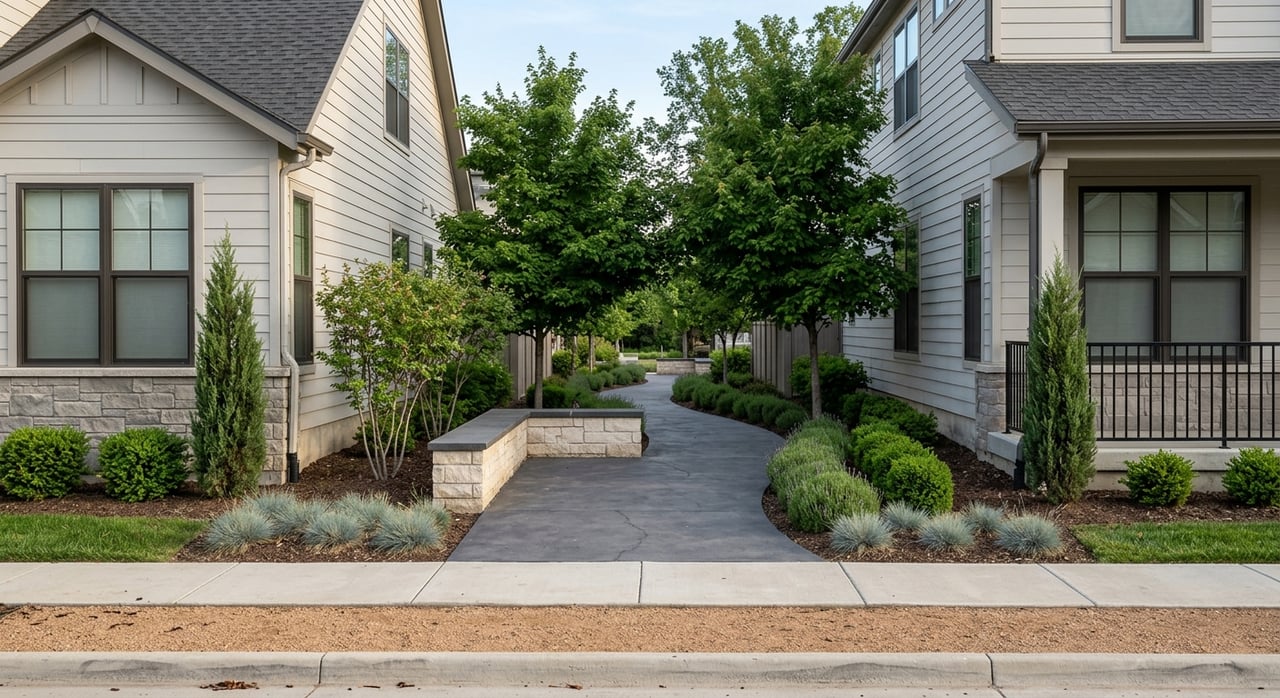
Is Daybreak The Right Neighborhood For Your Next Move?
July 2, 2026
July 2, 2026
If you are thinking about a move to South Jordan, Daybreak probably stands out right away. It has a strong identity, a long list of amenities, and a look that feels more planned and polished than many neighborhoods nearby. But that does not automatically mean it is the right fit for you. This guide will help you understand how Daybreak works, what daily life can look like there, and what tradeoffs to weigh before you decide. Let’s dive in.
Daybreak is South Jordan’s largest master-planned community, with development that began in 2003 and parts of the area still being built out. That matters because you are not just choosing a street or a single subdivision. You are choosing a large, layered community that continues to evolve.
In practice, Daybreak functions more like a collection of connected neighborhoods than one uniform development. Official community materials show a wide range of pockets, including condos, townhomes, village areas, paired homes, cottage-lot homes, and urban townhome sections. That variety can give you more options, but it also means each area may come with a different feel and a different maintenance setup.
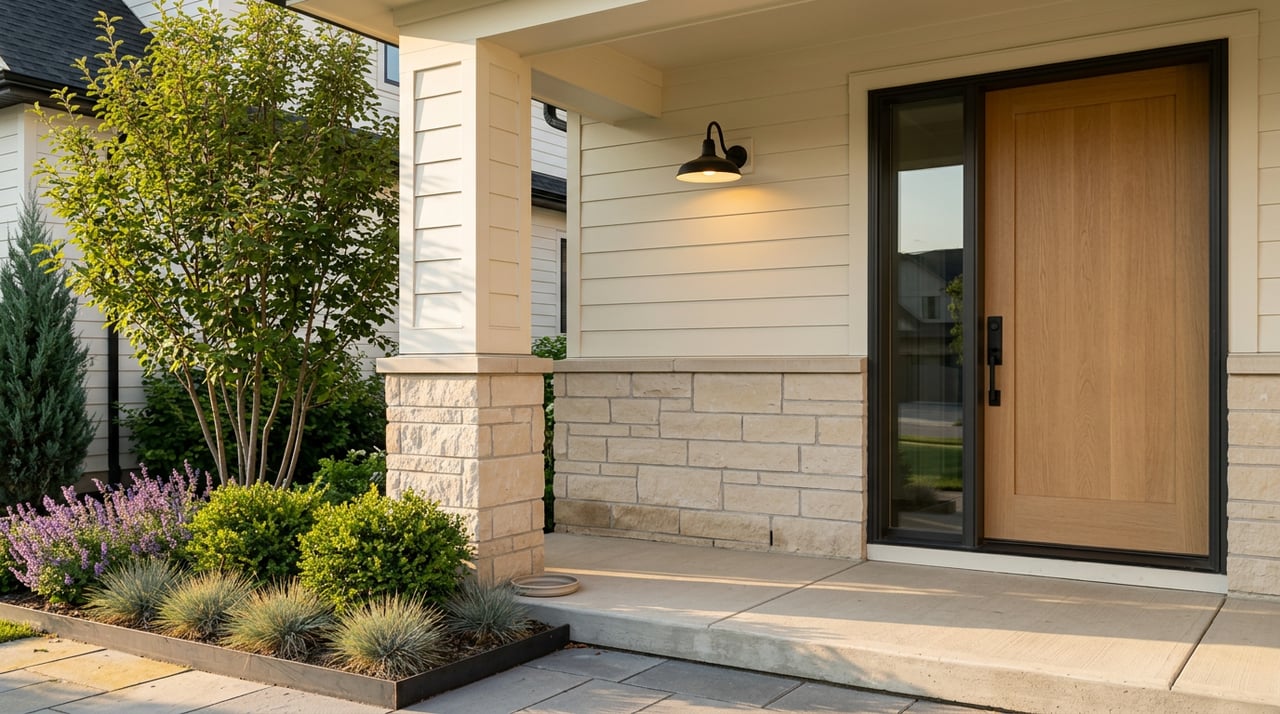
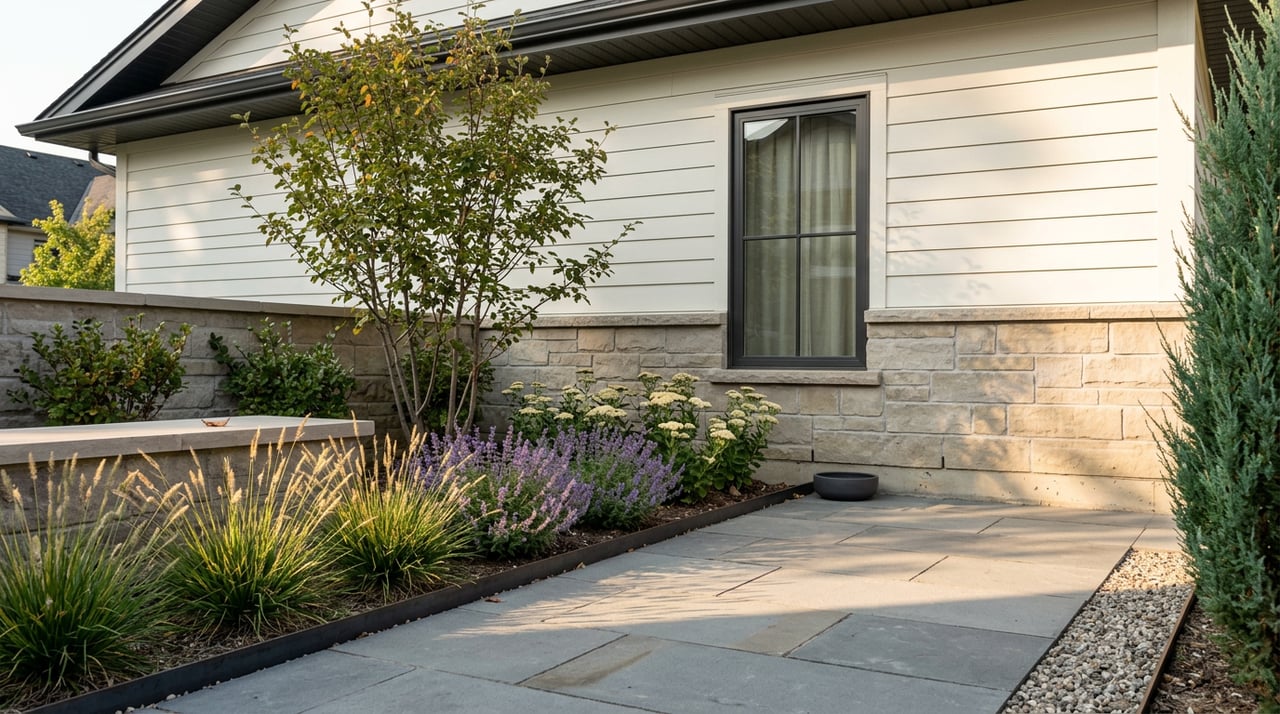
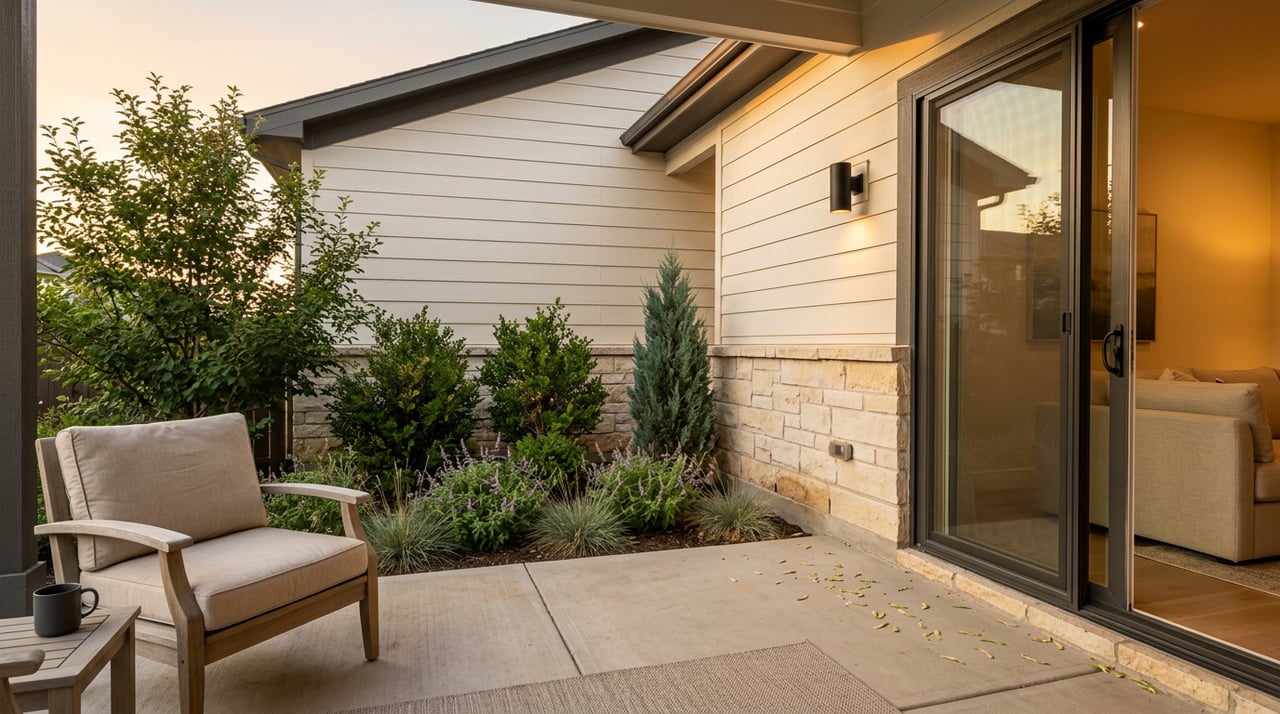
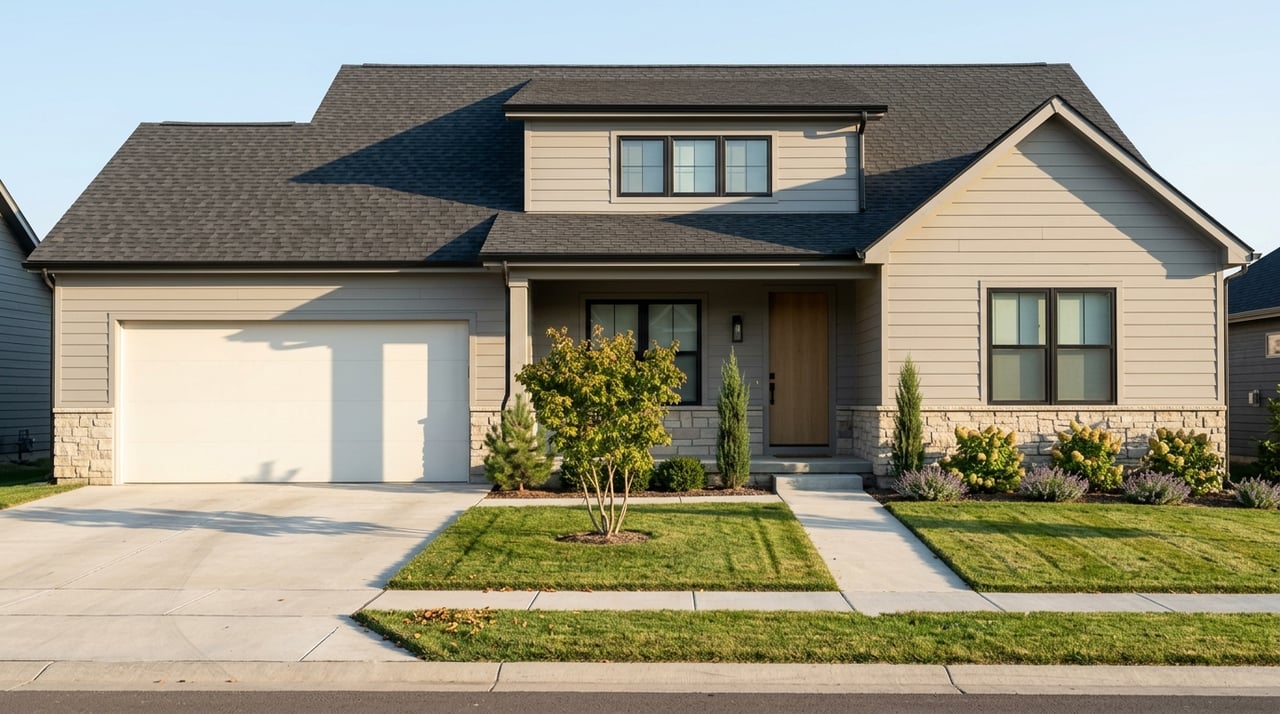
One of Daybreak’s biggest strengths is its housing mix. You can find detached single-family homes along with more compact and lower-maintenance options like condos, townhomes, paired homes, and cottage-style lots. That gives you room to match your home search to your budget, lifestyle, and how much upkeep you want.
If you want a more traditional home-and-yard setup, some parts of Daybreak may feel familiar. If you would rather spend less time on exterior maintenance, attached or smaller-format homes may be more appealing. The key is knowing that the neighborhood is broad enough to support very different living styles within the same overall community.
A neighborhood with many product types can be helpful if your needs are changing. You may be buying your first home, looking for a move-up property, or seeking something more streamlined. Daybreak’s range of options makes it easier to compare those choices without leaving the same general area.
It also means you should look closely at each specific pocket instead of assuming every part of Daybreak operates the same way. A condo area and a detached-home section may have very different dues, maintenance expectations, and day-to-day routines.
Daybreak is known for its amenity network, and that is a major reason many buyers consider it. According to the community association, residents have access to more than 50 miles of trails, four pools, one splash pad, and parks that are open from sunrise to sunset. Trails are open to pedestrians, bikers, and leashed pets, while motorized vehicles are not allowed.
That setup can make outdoor time easier to build into your normal week. Instead of driving somewhere for a walk or bike ride, you may have those options woven into the neighborhood around you. For buyers who want a lifestyle-centered community, that can be a real advantage.
Oquirrh Lake is one of Daybreak’s best-known features, but it helps to understand the rules before you buy. Swimming is not allowed in the lake, while fishing is allowed with a valid Utah fishing license. Residents with amenity access can also use watercraft rentals, and the Beach Club operates seasonally from Memorial Day to Labor Day.
This is one detail many buyers should understand early. While Oquirrh Lake is a landmark for the broader community, some waterfront amenities are reserved for specific areas. Official rules state that the Waterside Club and beach area were designed for the exclusive use of Lake Village residents.
That does not make Daybreak less appealing, but it does show why location inside the community matters. If a certain amenity is part of your vision for daily life, you will want to confirm whether access comes with the specific home you are considering.
Daybreak offers a polished, managed environment, and that comes with structure. The community has a master association that oversees common areas and amenities, while some sub-associations and benefited service areas manage services for certain pockets. This can include added responsibilities or added dues depending on where you buy.
The master-association assessments help pay for common landscaping, parks, pools, the community center, Oquirrh Lake, and internet. Some residents also pay extra sub-association or BSA dues for services such as landscaping, snow removal, or exterior maintenance. In addition, Daybreak charges a one-time enhancement fee equal to 0.5% of the gross sales price at closing.
Daybreak also requires design review approval for exterior landscaping and architectural changes. If you like a coordinated neighborhood appearance, that may feel like a benefit. If you prefer the freedom to make exterior updates without review, it may feel restrictive.
There is also a shared-responsibility aspect to day-to-day upkeep. Daybreak notes that streets and lanes are public roadways maintained by the City of South Jordan, while homeowners are still responsible for clearing driveways and sidewalks. Some public parks inside Daybreak are also maintained by the city.
Daybreak is not only residential. South Jordan’s planning documents describe SoDa Row as the original village center, with dining, personal services, public art, and event space. City economic-development materials also identify both SoDa Row and Downtown Daybreak as shopping and dining destinations.
That mixed-use growth is a big part of Daybreak’s appeal. You are not only buying into homes and parks. You are also buying into an area that is being shaped to include more retail, restaurants, office space, entertainment, and community activity.
Transit is another major point to consider. UTA says the South Jordan Downtown Station opened on March 26, 2025, adding a third TRAX station on the Red Line for South Jordan and southwest Salt Lake County. The Red Line also includes Daybreak Parkway and South Jordan Parkway stations.
For commute-minded buyers, multiple TRAX stations can create flexibility when getting to other parts of the valley. That can be especially useful if you want more than one option for work, events, or daily routines. Access like this is not common in every suburban neighborhood.
At the same time, growth can bring more activity, more visitors, and ongoing construction around expanding town-center areas. If you want a neighborhood that feels fully finished and quiet in every direction, that is something worth weighing carefully.
Daybreak tends to work well for buyers who want a neighborhood built around amenities and shared spaces. If you like trails, parks, pools, and a more predictable community layout, the structure here may feel helpful rather than limiting. The broad housing mix can also appeal to first-time buyers, move-up buyers, and those who prefer lower-maintenance living.
It may be especially appealing if you value coordinated design and easy access to outdoor features. The community’s planned look, mixed-use centers, and transit connections create a lifestyle that feels intentional. For many buyers, that is exactly the draw.
Daybreak may be less compelling if you want minimal HOA involvement, very few exterior rules, or a setting with little ongoing development nearby. The neighborhood’s strengths come from planning, shared amenities, and active management. Those same qualities can feel like downsides if you want maximum independence or a more settled, less evolving environment.
This is why the right question is not whether Daybreak is good or bad. The better question is whether its structure matches the way you want to live.
Before you move forward, it helps to compare your wish list with the realities of the community. A thoughtful review now can save you surprises later.
Ask questions like these:
Daybreak offers a distinct lifestyle in South Jordan. It combines a wide mix of home types, a strong amenity package, mixed-use growth, and expanding TRAX access in a way that feels more curated than a typical subdivision. For the right buyer, that can make it one of the most compelling communities in the area.
The key is to look past the branding and understand the details of the exact section you are considering. Costs, rules, maintenance, and amenity access can vary across the community. If you want help sorting through those details and finding the part of Daybreak that best fits your next chapter, connect with Tyson Leavitt Real Estate.
Stay up to date on the latest real estate trends.

Whether you’re just beginning your search or preparing for your next move, the Tyson Leavitt Group is here to guide you with expertise, integrity, and exceptional service. With deep-rooted knowledge of the Salt Lake Valley and surrounding areas, we’re ready to help you navigate every step of the journey with confidence and clarity. Explore the site, then reach out—we’d love to hear from you.
Tyson Leavitt Group | Cannon & Company
Tyson Leavitt
9089 S 1300 W, #130 West Jordan, UT 84088