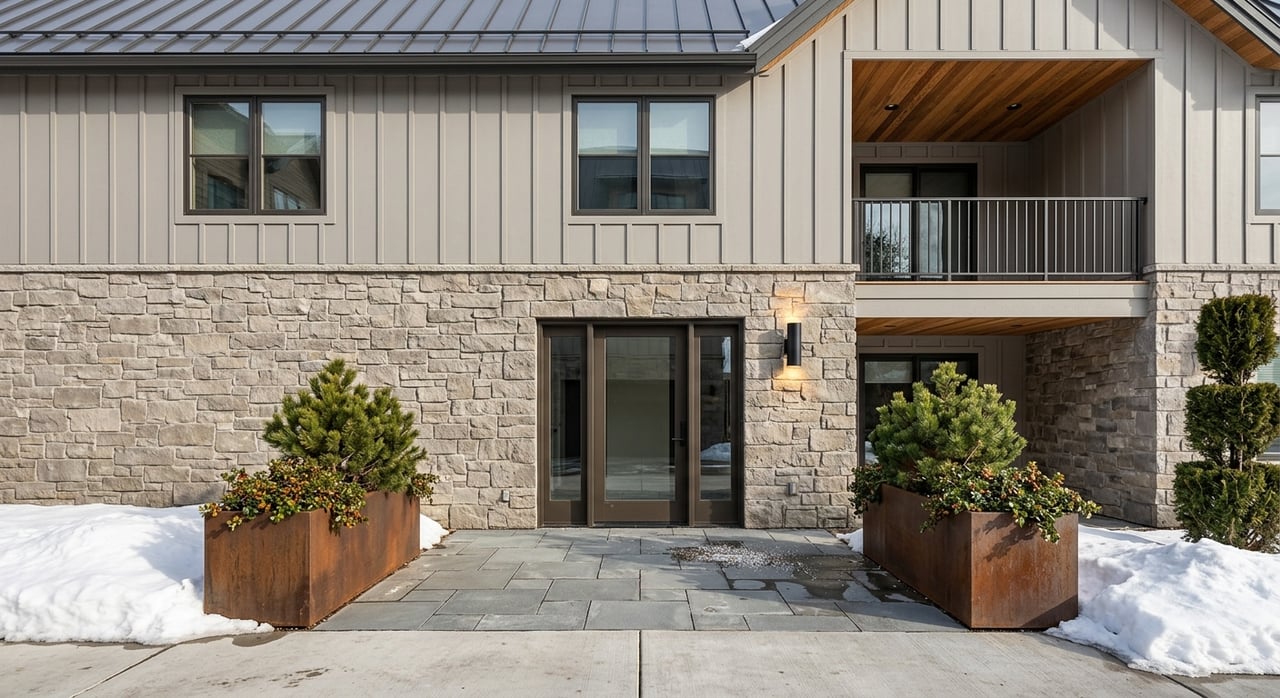
Park City Second Home Or Ski Condo? Key Considerations
June 25, 2026
June 25, 2026
Dreaming about a place in Park City is easy. Choosing between a detached second home and a ski condo is where things get real. If you want a property that fits the way you actually plan to use it, this guide will help you think through rental rules, financing, taxes, maintenance, and lifestyle tradeoffs before you make a move. Let’s dive in.
Park City is not a typical second-home market. It is a year-round resort destination with about 8,500 full-time residents, steady visitor traffic, and a mix of historic areas, mountain properties, and resort-oriented housing.
That matters because your experience can vary a lot from one parcel to the next. Park City uses parcel-specific zoning and a separate nightly-rental map, so the exact property you choose can affect whether short-term rentals are allowed, what exterior changes may need review, and how flexible future remodeling could be.
If you are comparing a second home with a ski condo, this is the first big takeaway: in Park City, the details of the property matter just as much as the property type.
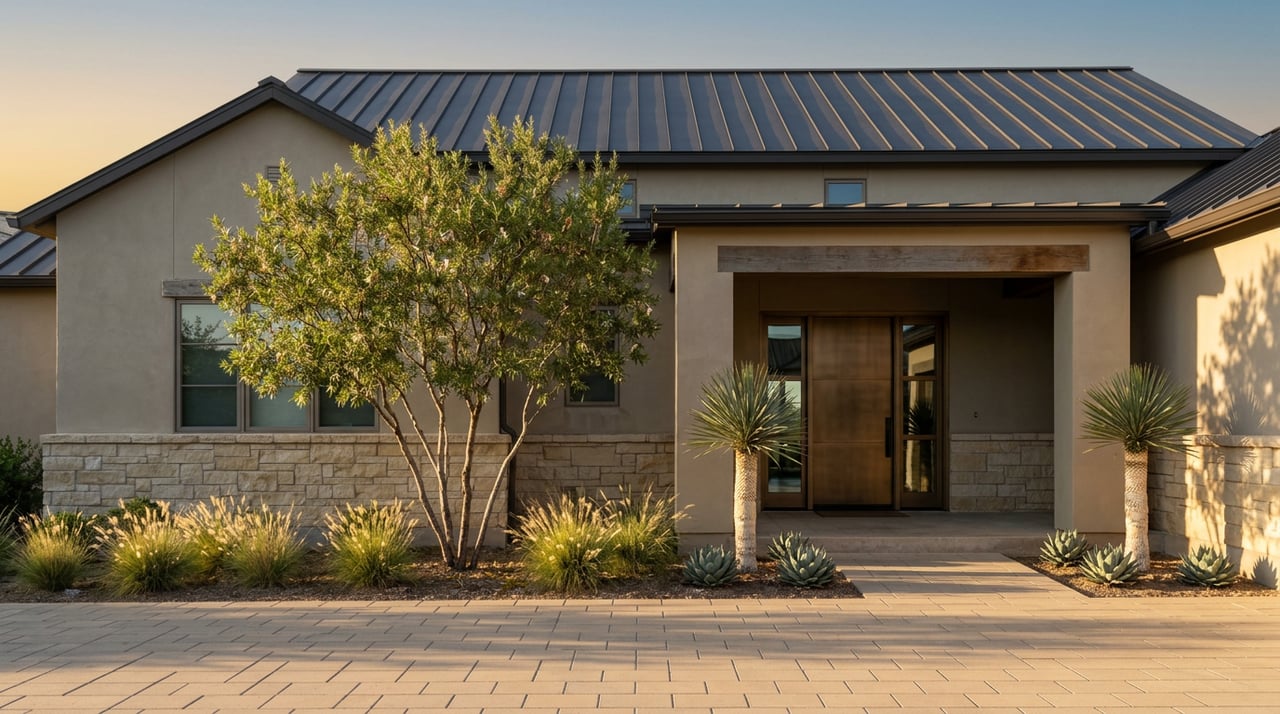
A detached second home often gives you more control over the property. You may have more privacy, more separation from neighbors, and more freedom in how you use your indoor and outdoor space.
For many buyers, that autonomy is the appeal. If you want a more personal mountain retreat, a free-standing home can feel more tailored to your lifestyle and long-term plans.
More control usually means more responsibility. In Park City’s climate, that can include winterization, freeze protection, snow monitoring, heating management, and a clear plan for periods when the home sits vacant.
Park City’s NOAA station sits at 6,900 feet, and the 1991 to 2020 normals show a January average high of 32.7°F and average low of 15.6°F. Those conditions are manageable, but they make seasonal planning much more important than it would be in a milder market.
A ski condo often appeals to buyers who want a more convenient, lock-and-leave setup. If you do not want to manage as many moving parts during the winter or while you are away, a condo can feel simpler.
That convenience is often the biggest advantage. Shared building systems and community-level management can reduce some of the hands-on burden that comes with owning a detached property.
Condo ownership tends to be more document-driven. Park City states that the Planning Department does not enforce CC&Rs, so owners need to review HOA governing documents carefully for rules about use, rentals, parking, and other restrictions.
Financing can also be more complex. With a condo, lenders may evaluate the condo project in addition to your unit, and factors like special assessments, project status, and overall eligibility can affect how straightforward financing will be.
For many buyers, the Park City decision comes down to one simple question: do you want more control or more convenience?
A detached second home usually leans toward control. You may gain more flexibility in how the property feels and functions, but you also take on more direct responsibility for maintenance, weather readiness, and property oversight.
A ski condo usually leans toward convenience. You may give up some flexibility because of HOA rules and project-level oversight, but the ownership experience can be easier to manage, especially if you plan to come and go seasonally.
If you hope to rent the property for short stays, do not assume that every Park City property allows it. Park City requires a Nightly Rental License for lodging offered for fewer than 30 days, but only if the property is allowed by zoning.
The city also says applicants need a Utah state sales tax ID, and the licensing process generally takes 15 to 30 days. That makes rental eligibility something to verify early, not after you are under contract.
In Park City, zoning is not one-size-fits-all. The city notes that each zoning district is unique and tied to specific uses and construction requirements.
That means two properties that seem similar on the surface may have very different rental rights. Before you build a budget around projected rental income, verify the parcel on the city’s zoning and nightly-rental maps.
Even if zoning allows nightly rentals, a condo or planned community may still have its own restrictions. HOA documents can affect whether rentals are allowed, how they are managed, and what operational rules apply.
This is especially important for condo buyers. A property can look like a strong fit for part-time use and rental income, but the governing documents may narrow how you can actually use it.
Park City includes more than 400 historic sites and two National Register Historic Districts. If the property you are considering is in one of these areas, exterior changes may be subject to Historic District Design Review.
That can affect additions, materials, windows, and other visible updates. If you are buying with renovation plans in mind, this review process could shape both your budget and your timeline.
This does not mean you should avoid historic-area properties. It simply means you should go in with a clear understanding that design changes may require additional review and may take longer.
If you plan to finance the purchase as a second home, use matters. Fannie Mae says a second home must be occupied by the borrower for part of the year, be a one-unit dwelling, be suitable for year-round occupancy, and remain under the borrower’s exclusive control.
It cannot be rental property or a timeshare arrangement, and rental income from the property generally cannot be used to qualify. For buyers considering flexible personal use plus income, that distinction is important.
Freddie Mac adds a useful wrinkle for ski-market buyers. A second home with seasonal limitations on year-round occupancy can still be eligible if the appraiser includes comparable sales with similar seasonal limitations.
In a mountain setting like Park City, that can matter. It is one more reason to match the property, your intended use, and your financing strategy from the start.
Condos bring another layer of review. Fannie Mae’s condo guidance shows that lenders review the condo project itself, and newly built or newly converted projects may need to meet completion and presale expectations before financing becomes more straightforward.
In practical terms, a condo that looks ideal from a lifestyle standpoint may still require extra financing review. That does not make condos a poor option, but it does mean buyers should ask more questions earlier.
Buyers are sometimes surprised by how second-home and vacation-home tax treatment differs from a primary residence in Utah. Summit County states that vacation homes and short-term rentals do not qualify for the primary residence exemption.
Utah and Summit County guidance indicate that a second residence is taxed at 100% of fair market value, while primary residences receive the 45% exemption. The county also makes clear that properties used as vacation homes or nightly rentals do not qualify for that primary residence benefit.
If you are comparing monthly carrying costs between properties, this is a key item to review early. Intended use can affect the way the property is classified for tax purposes.
A polished listing can make any Park City property feel like the one. Before you get too far into the search, it helps to narrow the field with a few practical questions.
Here is a smart checklist to use before touring:
These questions can save you time and help you focus on homes that truly fit your goals.
If you value privacy, control, and a more customized ownership experience, a detached second home may be the better match. If you value simplicity, easier seasonal use, and a more lock-and-leave lifestyle, a ski condo may make more sense.
Neither option is automatically better. In Park City, the right choice usually comes down to how you want to use the property, how much responsibility you want to carry, and whether the property’s zoning, HOA rules, financing path, and tax treatment support that plan.
The smartest move is to evaluate the story behind the property, not just the photos. When the details line up with your lifestyle, the purchase tends to make a lot more sense.
If you are weighing a Park City second home against a ski condo and want a thoughtful, high-touch approach to the search, Tyson Leavitt Real Estate can help you evaluate the details with clarity and confidence.
Stay up to date on the latest real estate trends.
Whether you’re just beginning your search or preparing for your next move, the Tyson Leavitt Group is here to guide you with expertise, integrity, and exceptional service. With deep-rooted knowledge of the Salt Lake Valley and surrounding areas, we’re ready to help you navigate every step of the journey with confidence and clarity. Explore the site, then reach out—we’d love to hear from you.
Tyson Leavitt Group | Cannon & Company

Tyson Leavitt
9089 S 1300 W, #130 West Jordan, UT 84088